
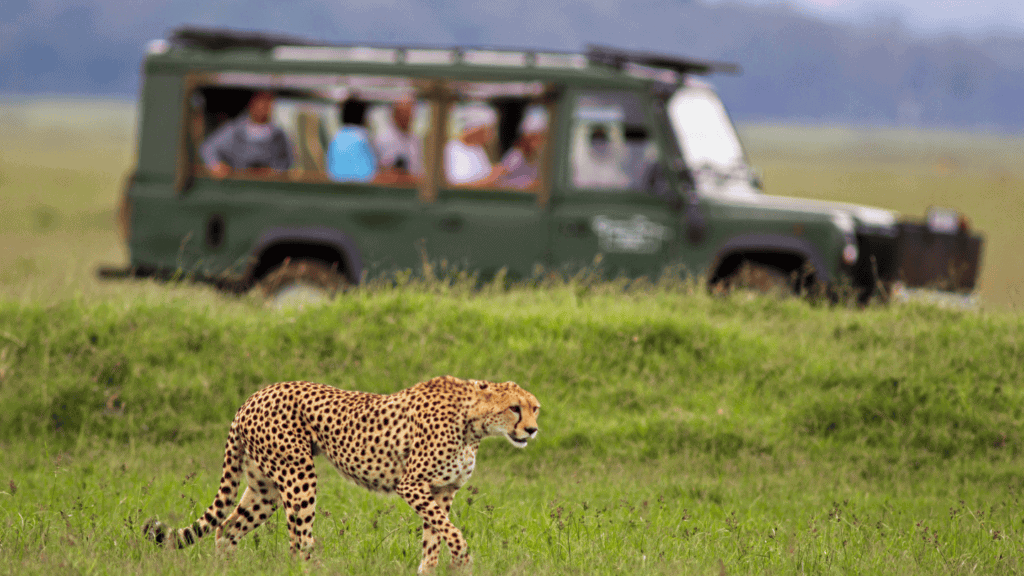
Some trips are fun. Some are restful. And then there are the journeys that stay with you long after you return home. An African safari belongs in that last category. It is not simply a vacation built around seeing animals. It is an experience that can change your pace, sharpen your perspective, and reconnect you with the natural world in a way few other trips can. For many travelers, it is the ultimate bucket-list adventure because it combines awe, beauty, stillness, and emotion in one unforgettable journey. At the same time, safari travel is not standing still as a niche idea. Interest in African safari travel has continued to grow in recent years, and Africa was the fastest-growing tourism region in 2025, according to UN Tourism reporting.
What makes a safari so powerful is the setting itself. The landscapes do not feel like backdrops. They feel alive. Early mornings can begin with pale skies and cool air over open savannas. By afternoon, the light changes and hills, rivers, and distant mountains seem to glow. In some regions, travelers can move from golden grasslands to wetlands, forests, or dramatic escarpments in the same itinerary. It is the kind of scenery that makes people put their phones down and simply look. A safari reminds you that nature is not something decorative on the edges of our lives. It is something immense, layered, and worthy of attention.
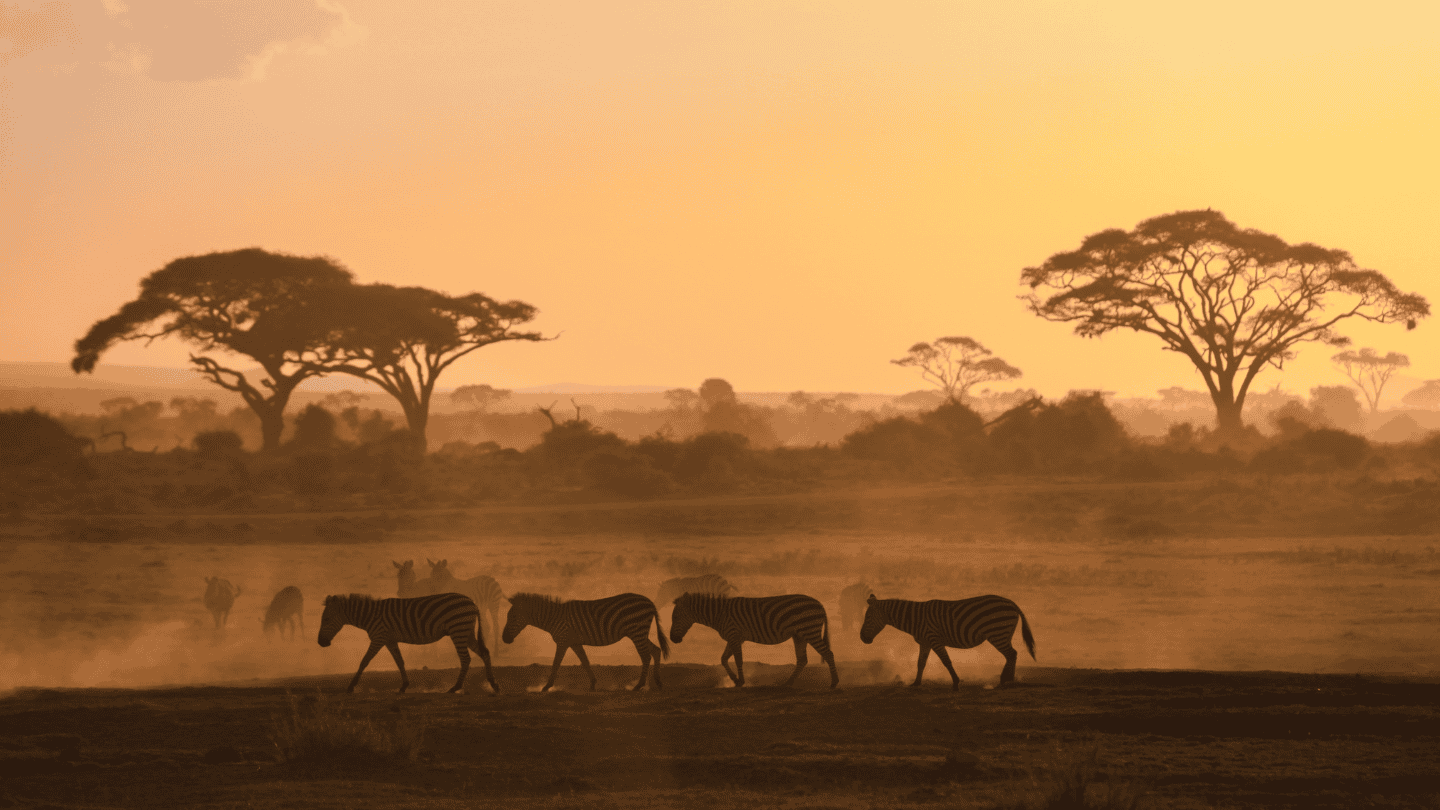
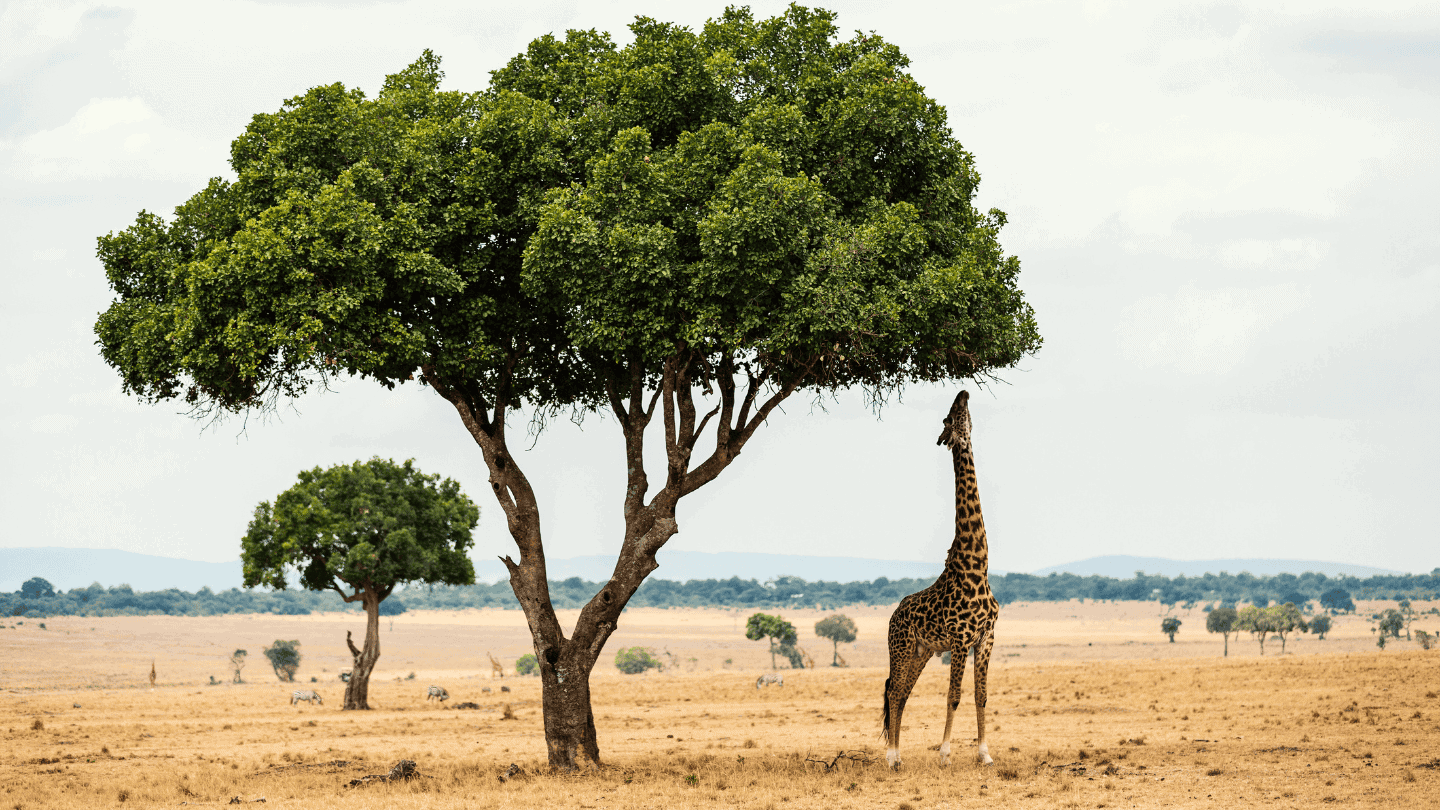
Then there are the animals, of course, but even that part of the experience is often deeper than people expect. Seeing an elephant herd move together across the bush is not just exciting. It can feel emotional. Watching giraffes step quietly through acacia trees, hearing lions call in the distance, or seeing zebras move together in perfect rhythm makes you feel less like a spectator and more like a respectful guest in a living world. These are not staged attractions. They are real moments unfolding on nature’s terms. That is part of why safari memories stay with people so strongly. They feel earned, intimate, and deeply human.
One of the most meaningful parts of safari travel is the sense of harmony it can reveal. The best safaris do not present wildlife as something separate from people. Instead, they show how landscapes, animals, guides, trackers, lodges, and local communities all connect. Travelers begin to see that the experience is not just about “spotting the Big Five.” It is about understanding the rhythms of a place and the people who know it best. When done thoughtfully, safari travel can support jobs, local procurement, and conservation-focused tourism models that help protect both wildlife and livelihoods. That makes the journey feel even richer. You are not just visiting somewhere beautiful. You are participating in a travel experience that values stewardship and respect.
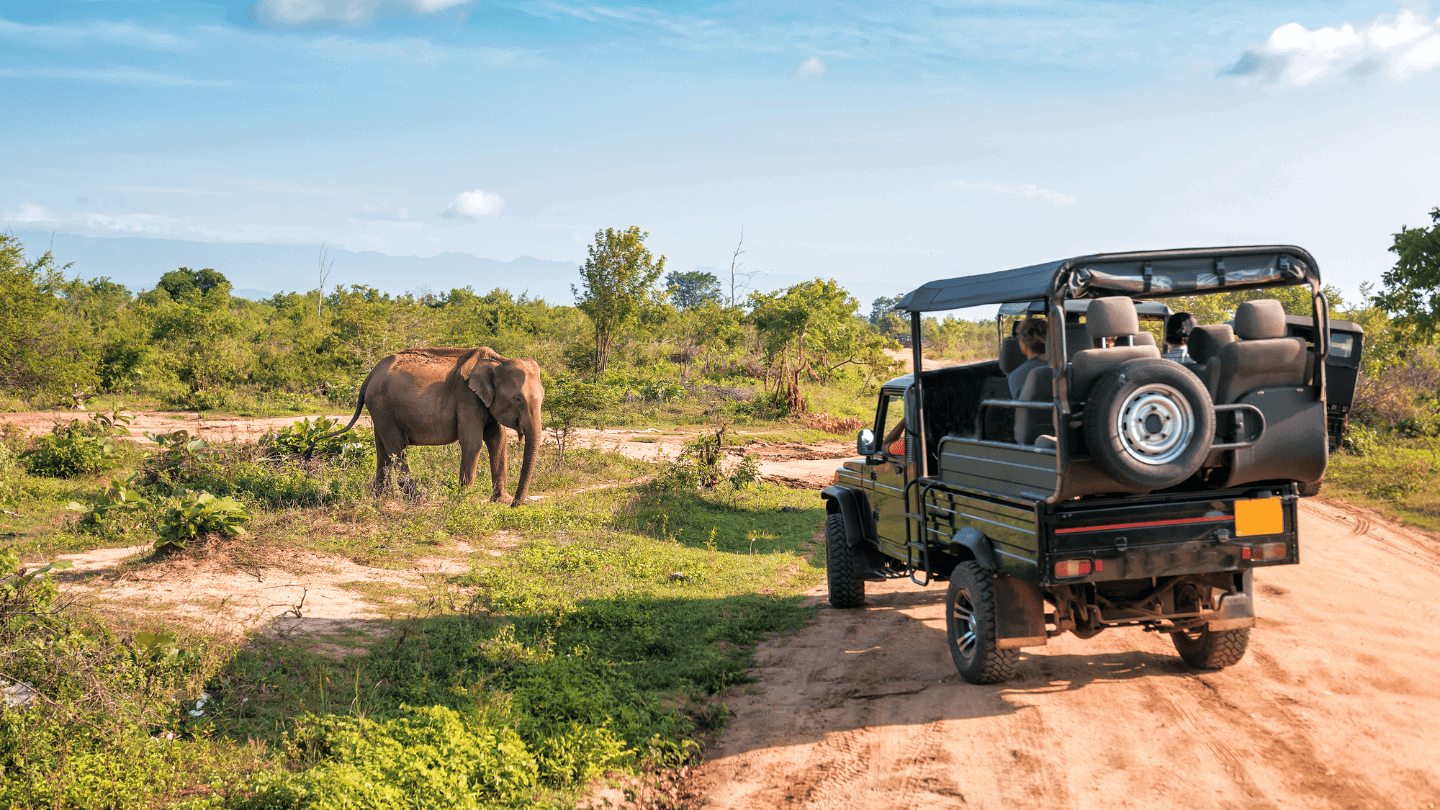
That emotional depth is also one reason safari travel is becoming such a compelling way to explore in 2026 and beyond. More travelers are looking for experiences that feel meaningful, immersive, and slower than the traditional checklist vacation. Industry reporting shows continued momentum in safari interest, with rising demand tied not just to wildlife, but to conservation-driven travel, longer stays, and more immersive itineraries. Forecasts also suggest the Africa safari tourism market will continue growing steadily through the next several years. In other words, safari travel is emerging not because it is trendy in a fleeting way, but because it answers what many travelers are craving right now: authenticity, wonder, and a stronger connection to place.
A safari also has a remarkable way of slowing you down. In everyday life, many people move from one obligation to the next, often barely noticing the world around them. On safari, the pace changes. You wake with the light. You listen. You wait. You watch. You become more patient and more attentive. Even the quiet moments become part of the experience: coffee before dawn, the stillness before a game drive, the hush of sunset as the sky changes color. That rhythm can be surprisingly restorative. Travelers often come home not just excited by what they saw, but changed by how present they felt while seeing it. There is also a rare balance in safari travel between adventure and reflection. Each drive carries anticipation because you never know what is around the next bend. At the same time, the trip invites gratitude and humility. You realize how little control you have, and that is part of the beauty of it. The best moments are unscripted. They arrive unexpectedly. A safari can celebrate a honeymoon, mark a milestone birthday, honor retirement, deepen a family bond, or simply fulfill a dream that has waited for years. That is why so many people describe it as life-changing. It is not only about the destination. It is about what the journey awakens in you.
For travelers who want more than a standard beach trip or city getaway, an African safari offers something rare. It offers awe. It offers stillness. It offers the chance to witness wildlife and landscapes in a way that feels both thrilling and grounding. Most of all, it offers perspective. You leave with photographs, yes, but also with stories, gratitude, and a renewed sense of how extraordinary the world can be. That is what makes an African safari more than a vacation. It is a journey into beauty, balance, and wonder, and for many travelers, it becomes one of the most meaningful trips of a lifetime.
If you’re ready to start planning your dream trip, submit a free quote on our travel agency website. We’ll pair you with one of our expert travel agents, and you can use their services 100% free! Why should you use a travel agent? Read here to find out why you should never book your vacation completely on your own. Start planning your ultimate bucket list trip today!